
CRYONICS
THE CRYONIC PROCESS
Standby, Stabilisation, and Transportation (SST)
A successful suspension at Southern Cryonics is dependent on your body being delivered to our facility in an optimal state. The preparatory procedures required to achieve this, referred to as SST, involve the supply of chemicals, engagement of professional services, clinical perfusionists, doctors, funeral directors, etc., and transportation. They are described below and are not performed by Southern Cryonics. However by arrangement, we can engage our sister company CryoPath to perform them on your behalf. See Funding FAQ.
STANDBY
Monitoring by emergency response team until legal death is pronounced. With the aim of starting stabilisation of the patient’s deceased body and brain as soon as possible. Performed prior to suspension by CryoPath.
STABILISATION
Cooling, CPR support for minimal brain function, and perfusion with cryoprotectant by medical professionals. With the aim of limiting ischaemic injury to the brain and so minimising functional damage. Performed prior to suspension by CryoPath.

TRANSPORTATION
Maintenance at dry-ice temperature throughout the trip via air freight to Southern Cryonics. With the aim of keeping the body in its temporarily stable state until vitrification can be achieved. Performed prior to suspension by CryoPath.
Cryonic suspension
SUSPENSION
Cryonic suspension is performed by Southern Cryonics upon your arrival at our facility. It involves encasing of the body, deeper cooling to a vitrified state over several days, placement head-downward in a stainless-steel vessel or ‘dewar’ designed especially for cryopreservation, and long-term maintenance of a liquid-nitrogen storage environment in the dewar. This environment can essentially prevent deterioration of the tissues for centuries if necessary.
More detail on cryonics
At both Southern Cryonics and CryoPath, procedures are based on those of cryonic facilities in USA who are well established and have a renowned reputation. The USA websites provide detailed information on the cryonic process:
Other overseas facilities also provide further information on cryonics:
The scientific opinion on cryonics
‘Why Cryonics Makes Sense’, a well-researched article by Tim Urban on the ‘Wait But Why’ blog. This article comprehensively discusses cryonics. It includes a review of the range of scientific opinion on cryonics, and gives the responses from those who are most familiar with the technology because they perform cryonic suspensions.
‘The Science Surrounding Cryonics,’ an MIT Technology Review article.
‘At What Moment are You Dead?’, a 5-minute TED-Ed lesson by Randall Hayes
‘The Three Camps of Brain Preservation’, an introduction to the technologies and options, written by John Smart from the Brain Preservation Foundation
‘The Engines of Creation’, a book by Eric Drexler, written in 1986 — see Chapter 9 on Cryonics
A signed open letter about cryonics from 62 distinguished scientists
‘Will Cryonics Work? Examining the Probabilities’, scholarly essays by Stephen Harris M.D. and Mike Perry Ph.D.
Why Australia needs a cryonics facility
There are several cryonics facilities overseas, but these are geographically remote from Australia: in USA, Russia, China and Switzerland. Southern Cryonics fills the need for a cryonics facility in our local region:
- In Australia, our remoteness from overseas facilities complicates the transportation process, with long flights and multiple opportunities for administrative delays. Because delays can compromise the controlled temperature conditions that are required after perfusion with cryoprotectants, an overseas suspension is more risky than a local suspension.
- A different legal system and an inconsistent application of laws, especially to foreigners, can cause further uncertainties.
- Payments, either by life insurance policy or lump sum, are subject to exchange rate risks. And high transportation charges add to the total cost.
FROM OUR FOUNDER
Joining a cryonics organization
by Peter Tsolakides
This is an archival video. It contains data on costs that have been superceded.
The prospect of revival
by Peter Tsolakides
OUR OPERATION
OUR COMPANY
Mission statement
Southern Cryonics is a Not-For-Profit enterprise, the first cryonics storage facility in the southern hemisphere, serving an area across all states and territories of Australia, as well as New Zealand. Our facility is located in Holbrook, NSW, Australia.
Our mission is:
- To promote and make widely available scientifically-based cryonic suspension as a credible option for life extension.
- To provide a professional ‘one-stop’ service that makes cryonic suspension affordable and readily available in Australia.
- To create a positive consumer awareness for scientifically-based cryonic suspension.
- To promote scientific research into cryonic suspension, revival, and life extension.
Customer Service Charter
Management
Everyone involved with Southern Cryonics intends to be cryonically suspended or to have our family members suspended, so we are powerfully motivated and diligent in maintaining management practices that give us the best possible chance of a successful suspension and eventual reanimation:
- We are a Company Limited by Guarantee (CLG), a typical structure for non-profit organisations, which means that we must abide by stringent Australian Securities and Investment Commission (ASIC) rules of governance.
- We are also registered as a Cemetery in NSW. Being under the oversight of Cemeteries & Crematoria NSW gives us a layer of statutory protection regarding land use and interment that does not apply to many other businesses. This anchors us in the Australian legal system.
- Our staff have been trained in the methods used by established cryonic organisations in USA for the suspension and maintenance of patients. We have also visited both Alcor and Cryonics Institute to learn about their operations, and we have a close working relationship with them.
- We have in-house career experience in major capital project planning and implementation for very long-term projects. This has allowed us to set up comprehensive financial modelling to monitor the sustainability of our organisation and adjust where necessary. The modelling includes forecasts for basic economic factors, Subscriber growth, mortality tables, requirements for equipment and supplies (e.g. liquid nitrogen, new dewars, infrastructure expansion), etc. This gives us an idea of sensitivities based on changing conditions so that we can be very prudent about our approach.
- We maintain a conservative investment outlook in managing our funds. We aim to achieve a reasonable return at minimum risk over a long-term timeframe, allowing us to cover ongoing operating costs while growing our capital slightly ahead of inflation. Funds are therefore available to take protective measures against issues that might affect the organisation’s sustainability.
- Roughly 35% of every Subscriber payment covers expenses for the immediate suspension process. The remaining 65% goes to a protected endowment, i.e. a ‘future fund’ dedicated to covering long-term operating costs. While we are still in our early days, this ‘future fund’ is invested in secure bank term deposits. Our goal is to add diversified, long-term index-tracking blue-chip ETF portfolios, thereby covering costs without needing to rely on a steady stream of new Subscribers.
- As Not-For-Profit, any surpluses are re-invested in the organisation.
- Our books are audited annually and are reviewed for Members at the AGM.
Contingency
In the event that Southern Cryonics were to cease operating its facility, our Constitution allows us to be taken over by a similar cryonics organization. Under the Cryonic Suspension Agreement, provision is made (after payment of liabilities) for remaining funds to be used for the transfer of suspended patients to another facility. We maintain the funding and the relationships necessary to enact this as a very last resort.
OUR FACILITY
Site selection
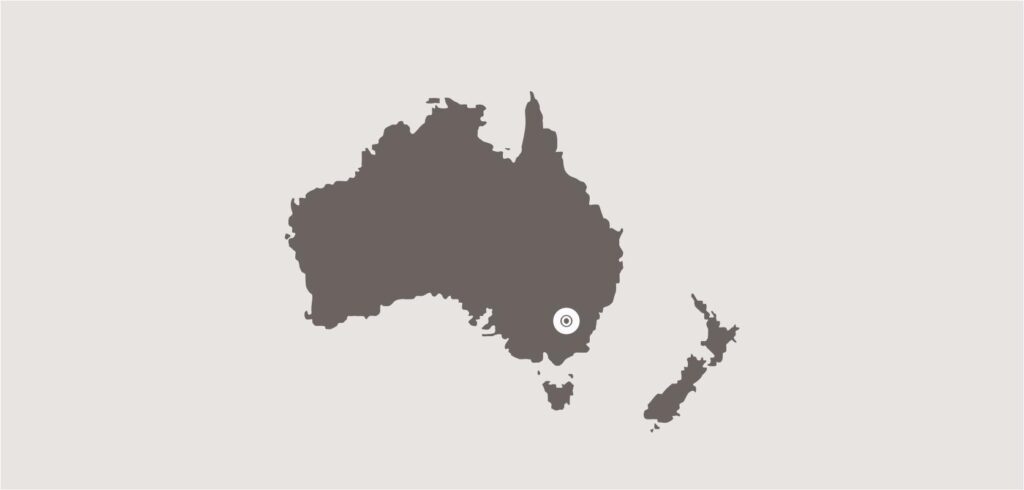
Several factors determined the site selection for our facility in Holbrook, NSW:
- It is zoned appropriately for our regulatory requirements as a cemetery.
- It is equally accessable for patient delivery from our most populous cities, Sydney and Melbourne, either by air or road transport.
- It is situated on the Hume Highway, a major transport route which is already used for deliveries of liquid nitrogen to hospitals and universities in larger towns.
- Being relatively remote from densely populated areas, it will not be adversely affected by rapid property development and has a low crime rate.
- It poses a low risk from natural disasters such as earthquakes, floods and bushfires.
Construction
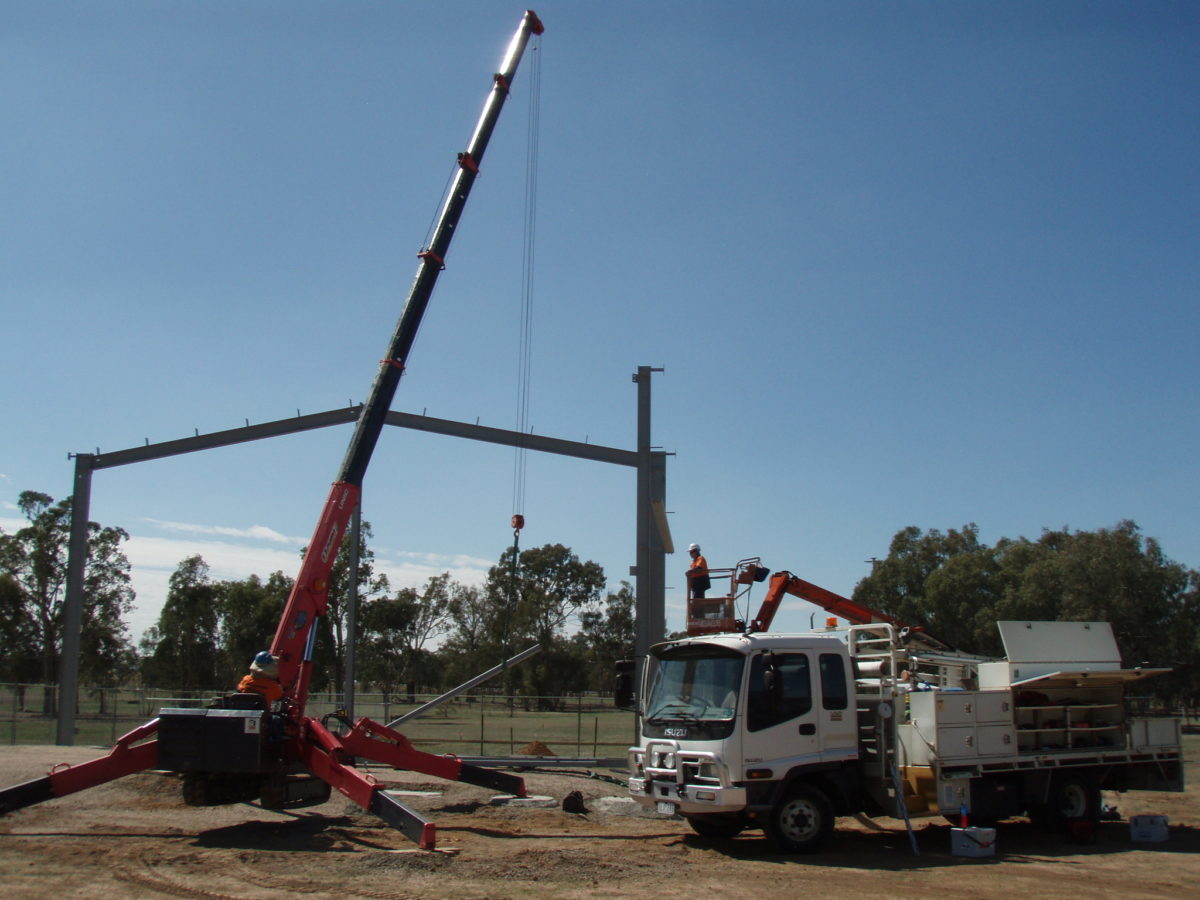
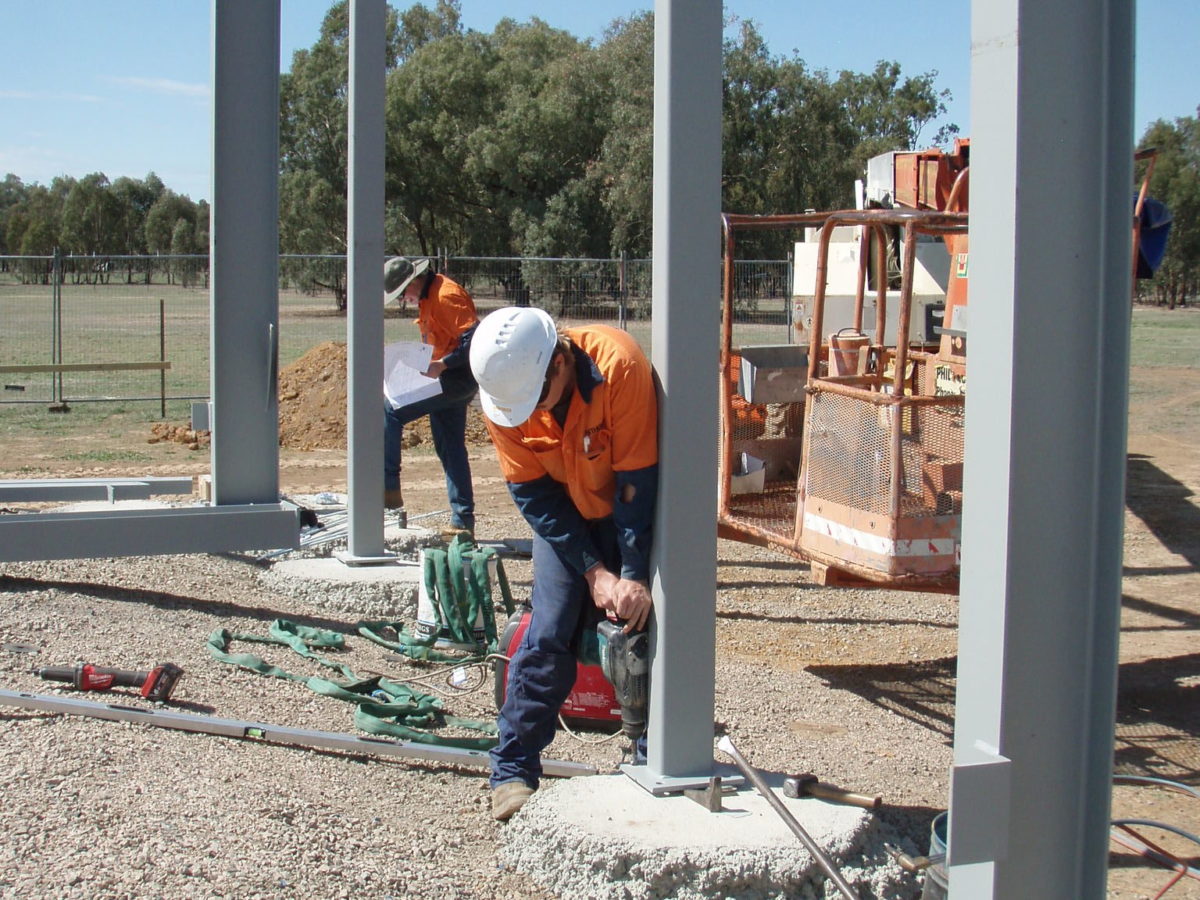
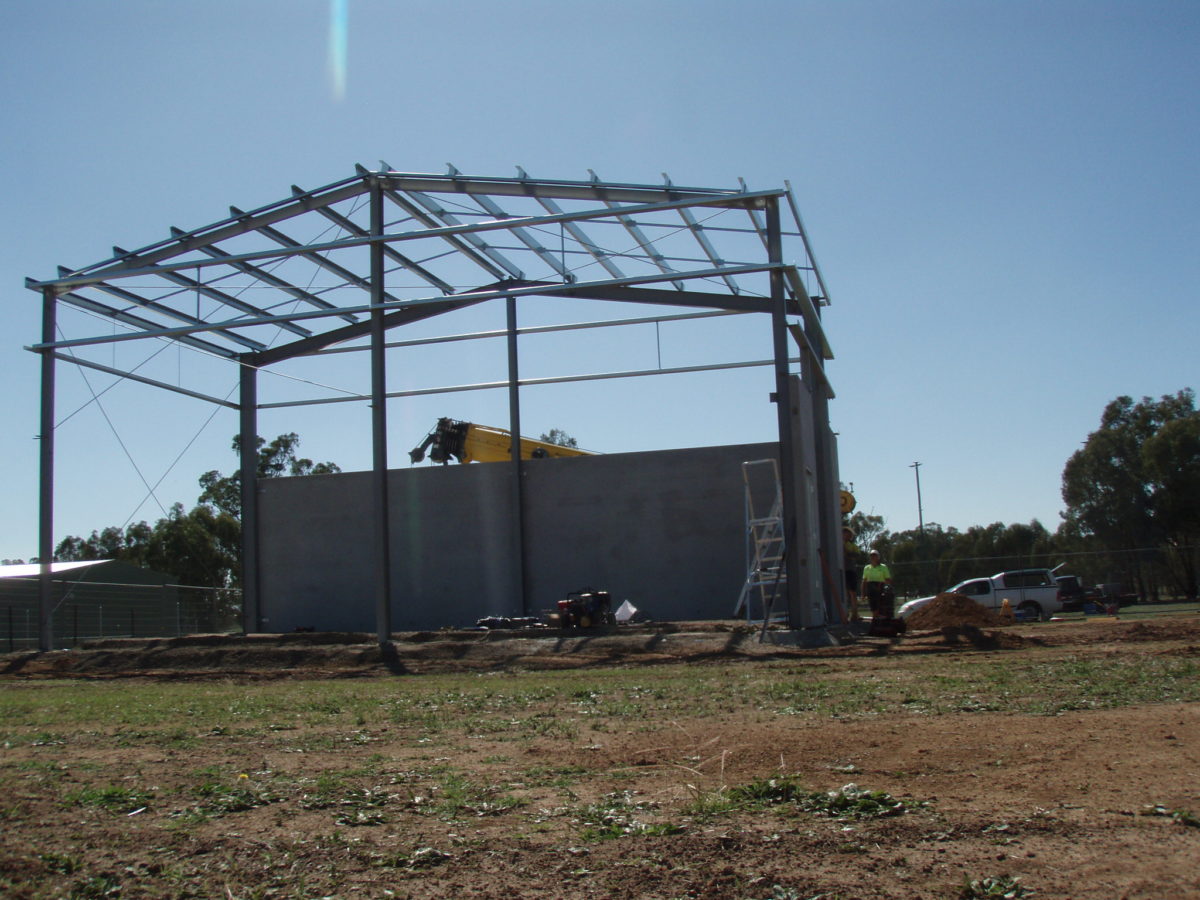
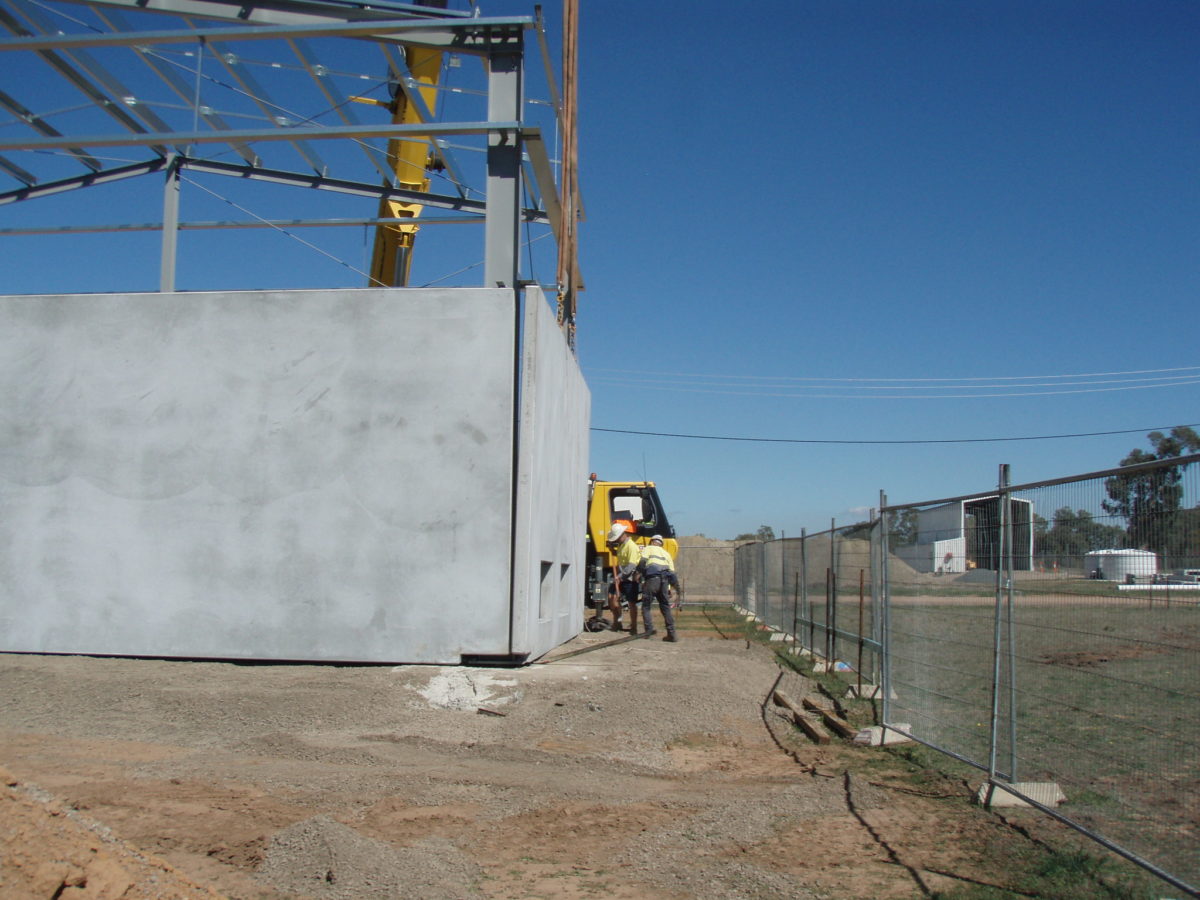
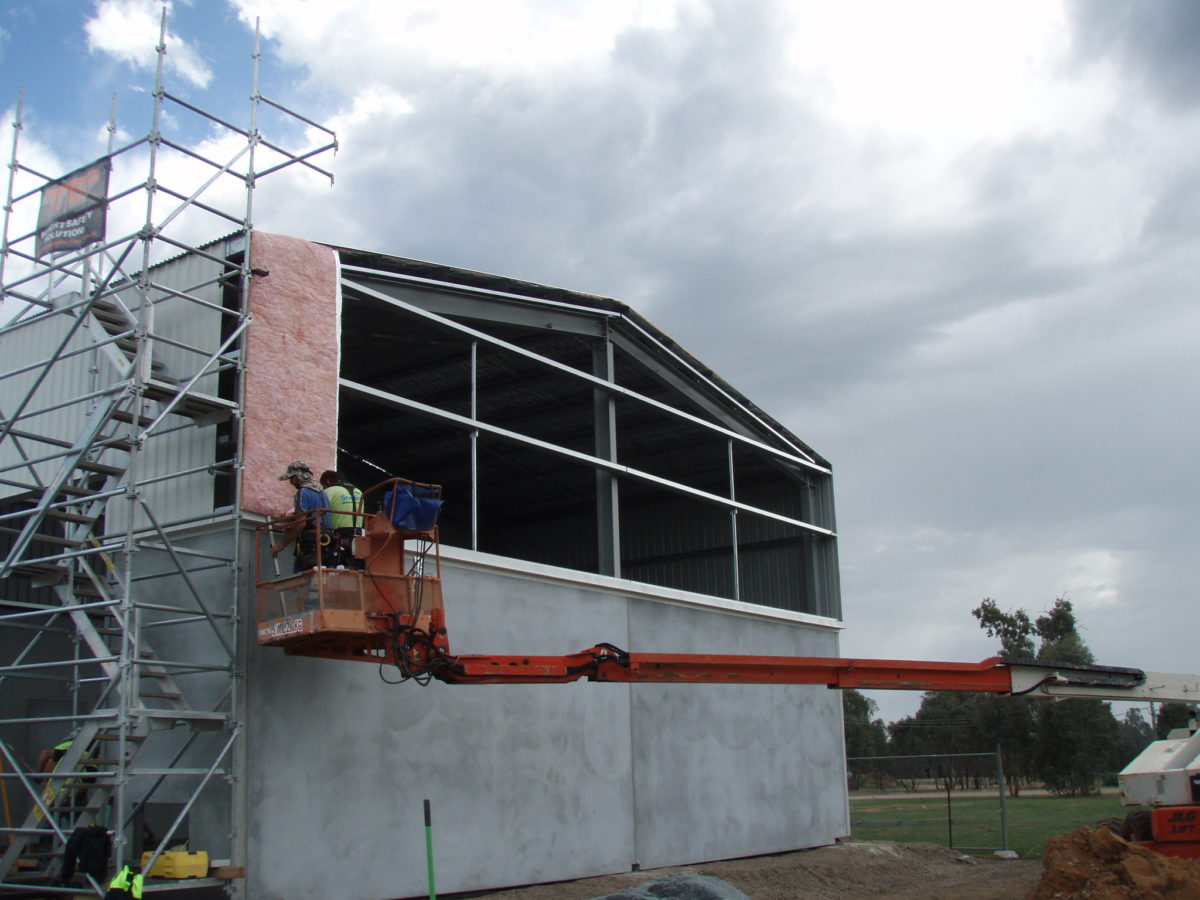
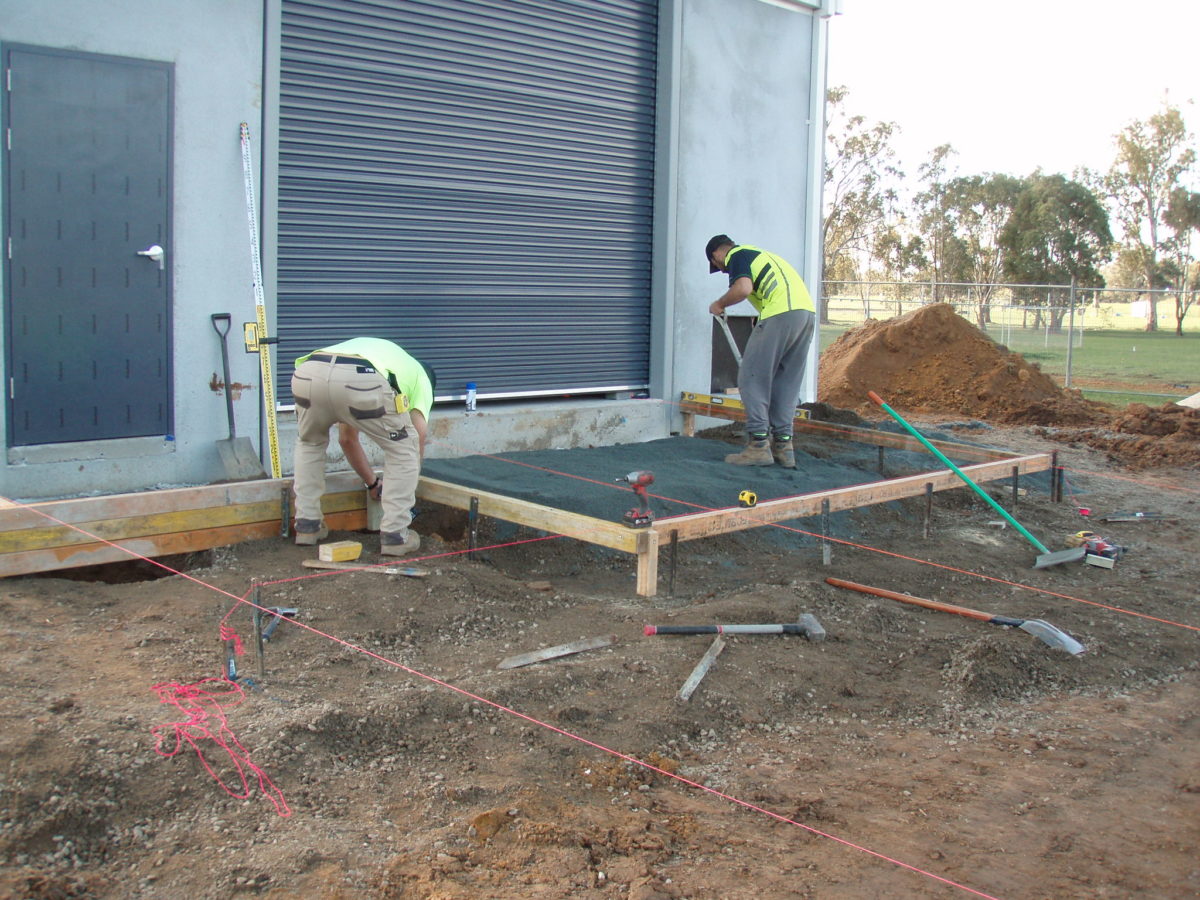
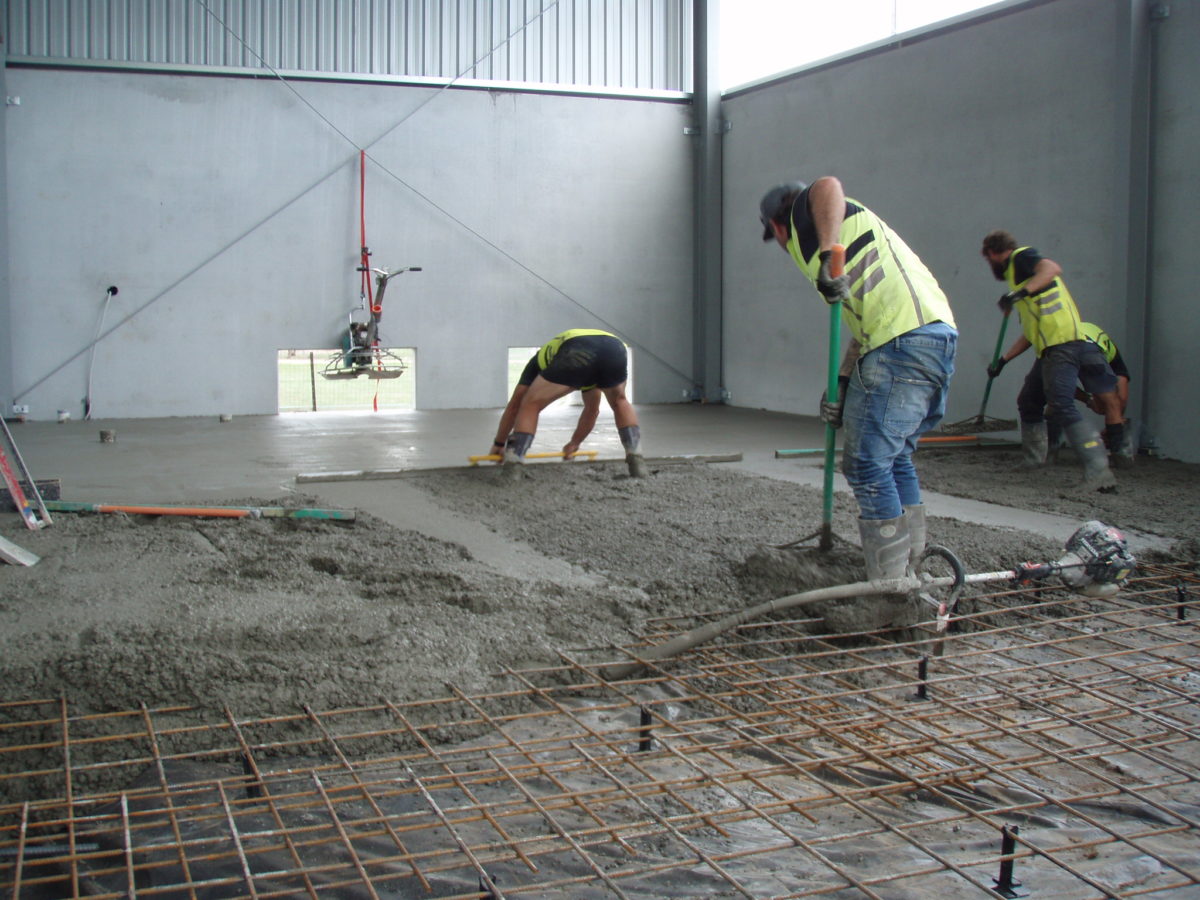
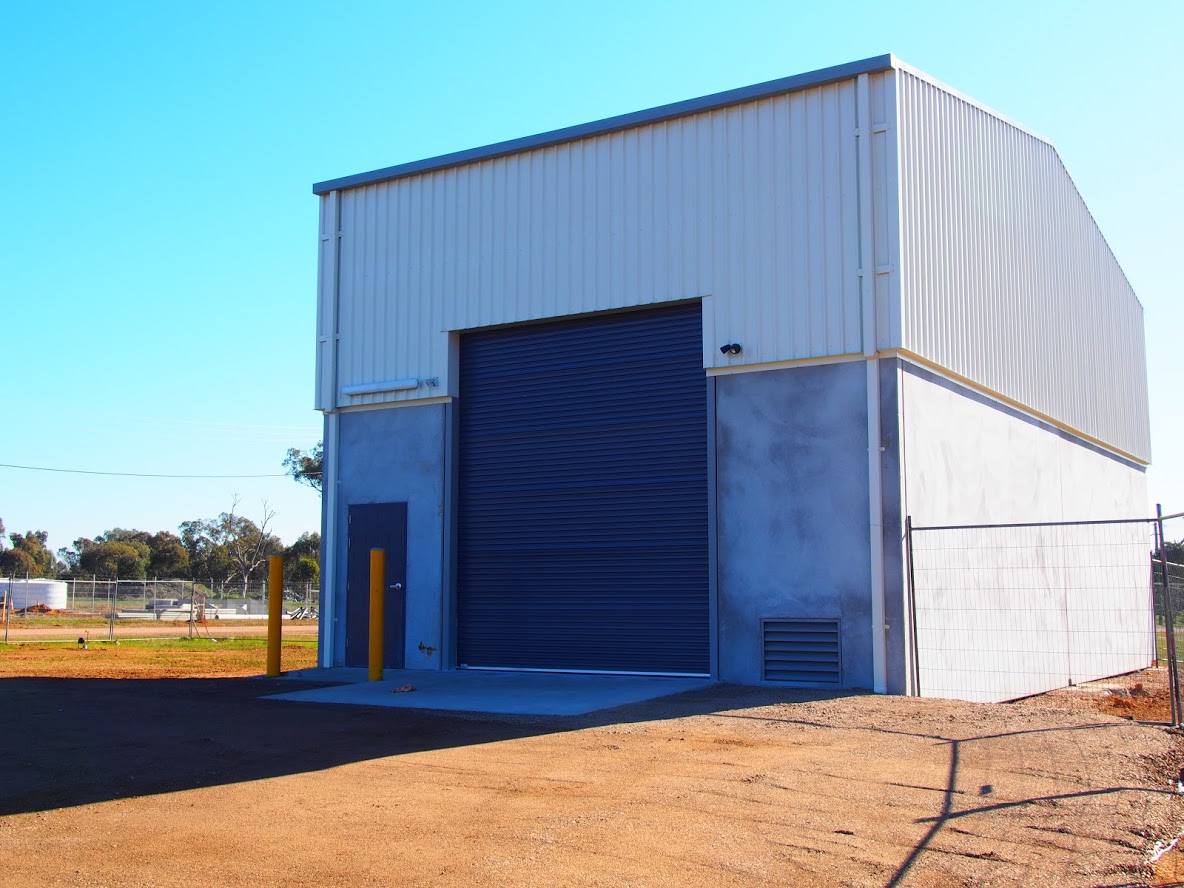
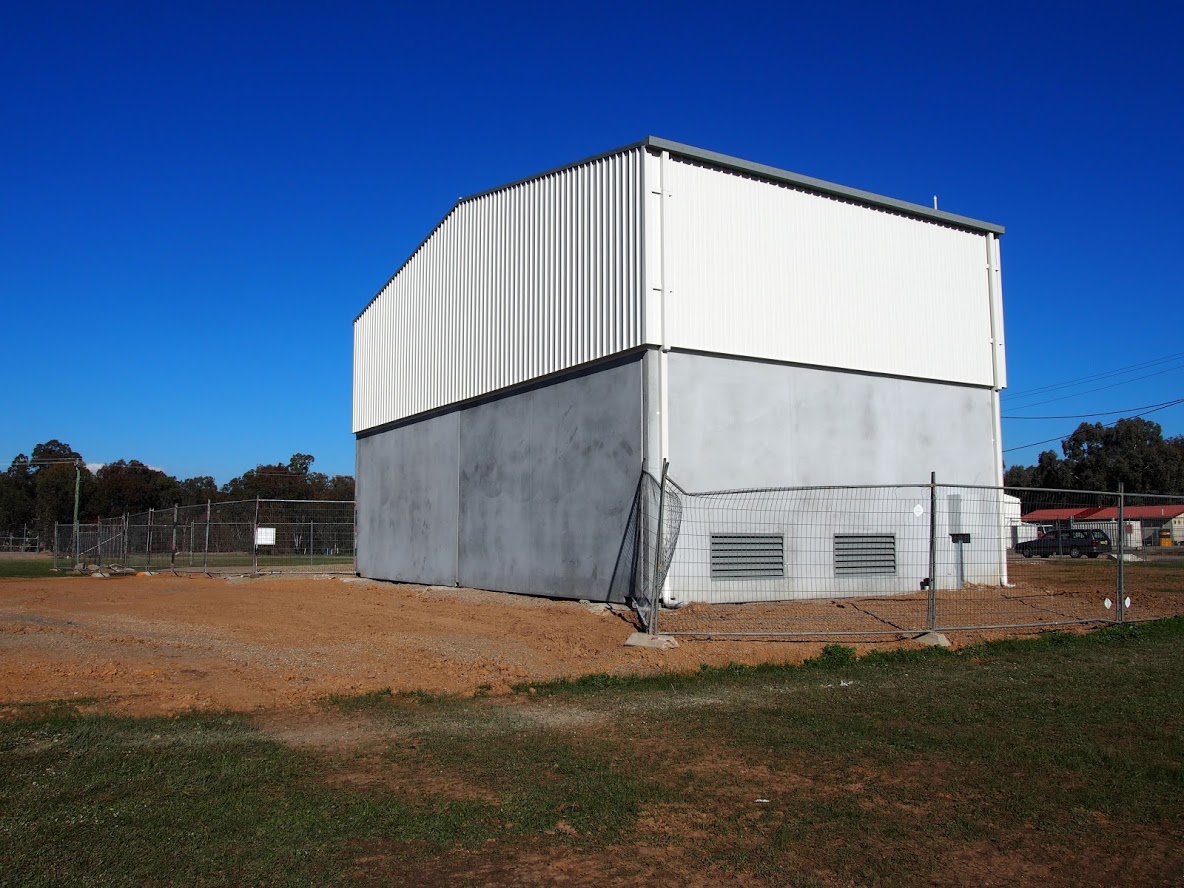
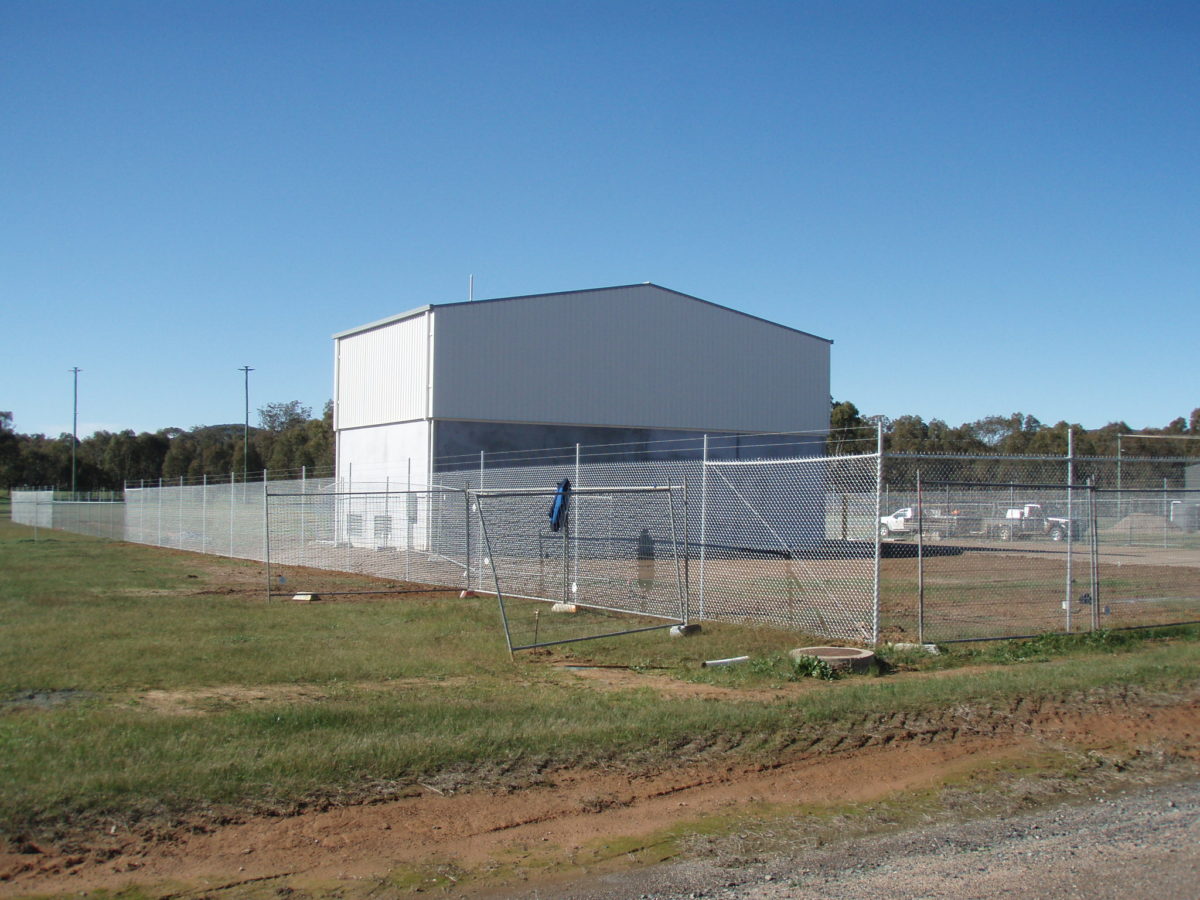
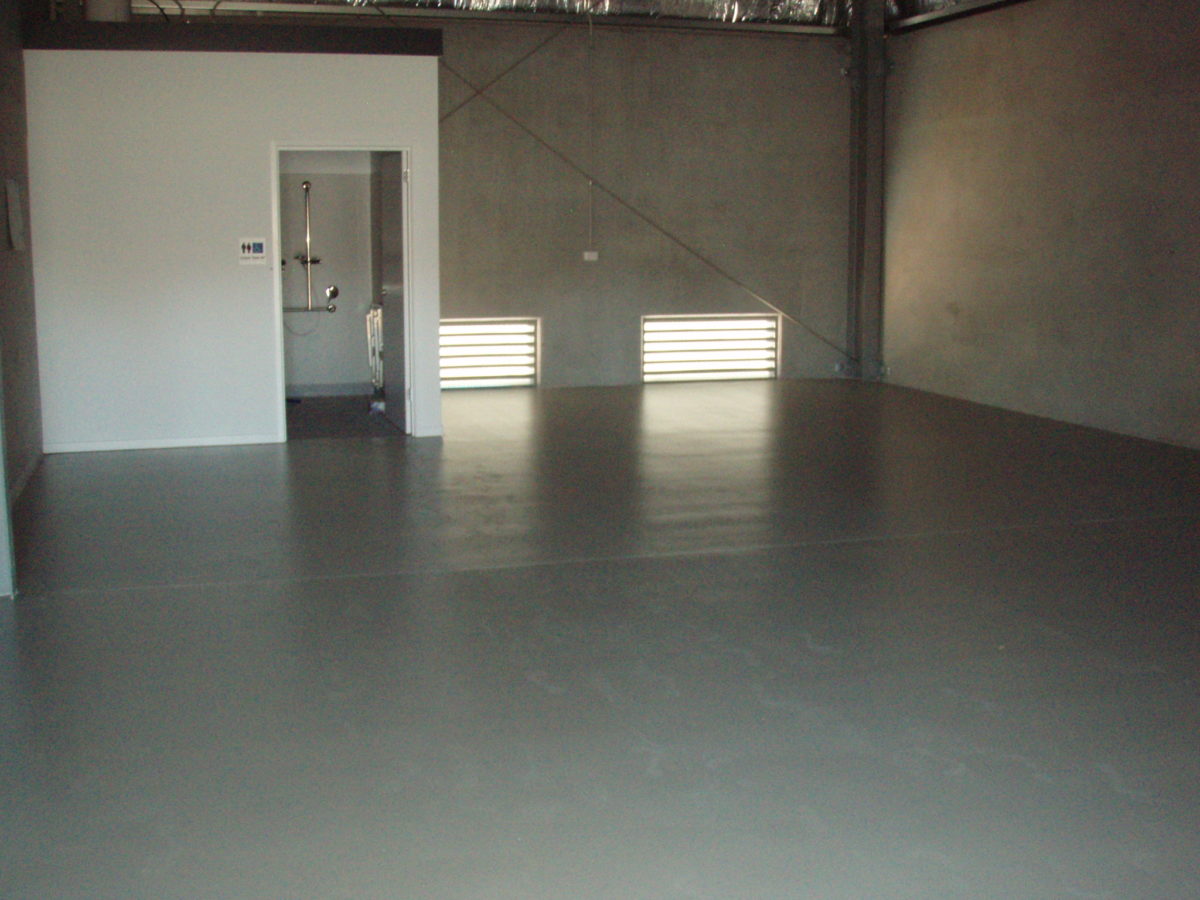
Future construction
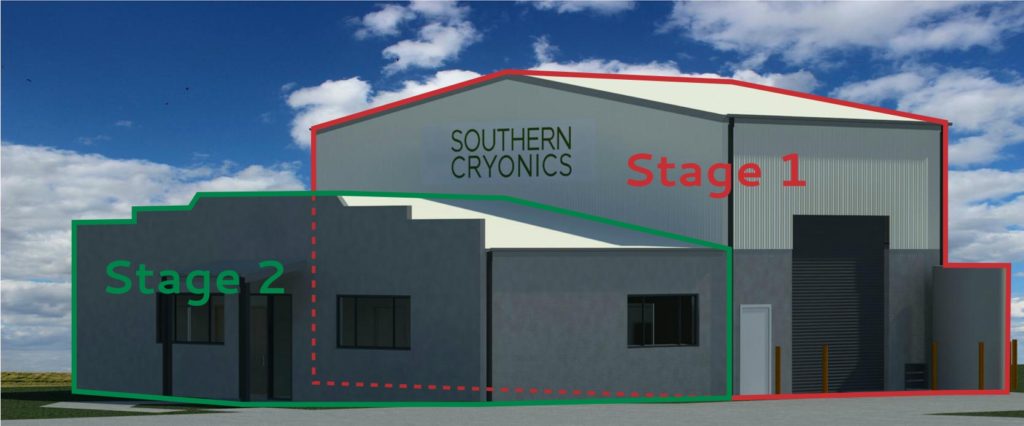
Stage 1 (the warehouse module) has been completed and is sufficient for an operational facility. Stage 2 (the office module) will be added later when budget constraints allow. It is not critical to the operation.
Capacity for patients
The land is 3,300 sq m in area. The stage 1 warehouse is 100 sq m and can support about 40 patients. Based on current mortality tables and our expected number of members, it will take about 28 years to fill those 40 spots.
The current warehouse building is easily scalable, i.e. warehouse modules of 100 sq m or more can be added as needed. Using our current construction method, the land can support about 600 patients. This storage capacity is forecast to be reached in 100 years. Using other construction methods in the future, such as building underground or adding a second storey, or by acquiring new adjacent land, the storage capacity could be significantly increased.
Visitor access
Clients of Southern Cryonics and their families may visit the facility by appointment. As the facility is a secured site, Southern Cryonics reserves the right to determine the hours of access depending on the availability of staff to accompany visitors. At this time, being mindful of the cost incurred, we can only accommodate visits to the facility when staff are attending to carry out specific tasks there.
To request a visit, please contact Southern Cryonics.
OUR TEAM

Peter Tsolakides
Founder, Director, Chairman
Peter became interested in cryonics after reading Robert Ettinger’s book ‘The Prospect of Immortality’ in the late 1960s, and thought that, by now, cryonics would be widely available — sadly this is not the case. He has degrees in Science (chemistry) and Business Administration.
Peter worked in the marketing organization of a major multi-national oil company for over 30 years, with 24 years of overseas assignments including Thailand, Singapore, Japan and USA, where he held progressively more senior management roles. His main career path has been in strategic planning, project development planning and major project implementation management. Before leaving to progress personal business activities in 2008, he managed a gate-keeping team of high-level executives in USA, which vetted global capital projects totalling $1B and other projects (e.g. divestments) with value of further $1B.
Since then, Peter has owned and managed a private consulting firm. Currently, he is progressing personal projects to make cryonics more accessible and widespread.

George Tsolakides
Director
George is an experienced mechanical engineer who has held a wide range of positions, including management. He has been a Director in several organisations mainly involved with corporate recruitment. George is now retired and has worked in non-profit organisations using his recruitment background to help less fortunate people find suitable employment. He is also a Founder and Director of our sister cryonics organisation, CryoPath, which is involved in standby, stabilisation and transportation of cryonics patients from the hospital bed to their chosen facility in Australia or USA.
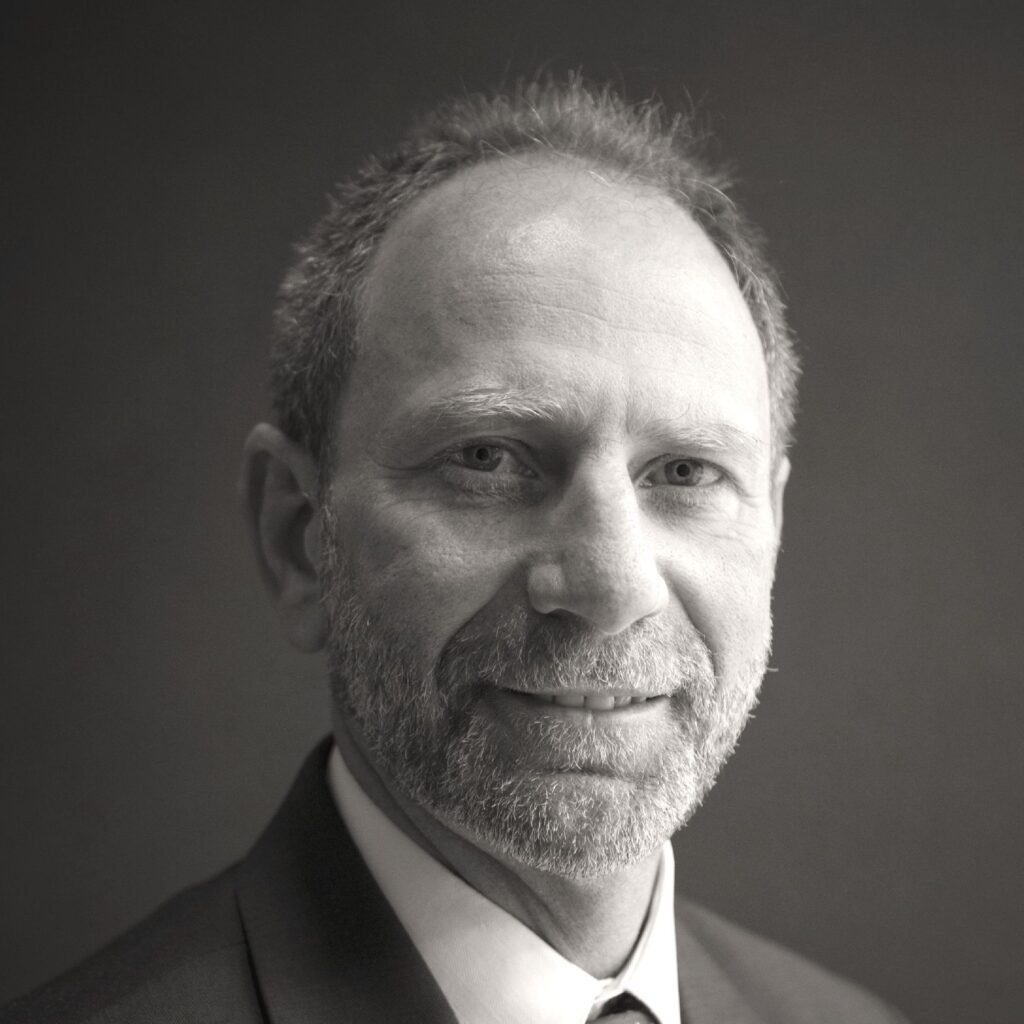
Graham van der Merwe
Director
Graham is a civil engineer who currently heads a successful business as CEO. His wealth of experience in the management of large engineering projects over many years has given him a sound business acumen and strong leadership skills. Graham has an abiding interest in cryonics and became actively involved with the Southern Cryonics team once he learned of their plans to construct a local facility. His technical expertise proved invaluable there, and his initial work is continually backed up with a close collaboration on the operational side. From the inception, he has shown his strong commitment to the project by taking out several Founding and Full Memberships to cover his extended family.

Mae Matthews
Director, Secretary
Mae developed a keen interest in cryonics towards the end of a corporate career in information technology (IT). Beginning her career with mainframe computer operation, she then moved into network support and subsequently followed a main career path in IT project management for over 20 years in the NSW Public Service. Throughout this time, her roles provided experience in business administration and team leadership at a senior level. Since retiring from the Public Service in 2014, Mae has actively returned to an early interest in design projects and is now able to combine this with her business experience in supporting emerging cryonics services in Australia. In addition to her governance role as company Secretary, she coordinates the office administration, online presence and client support for Southern Cryonics.
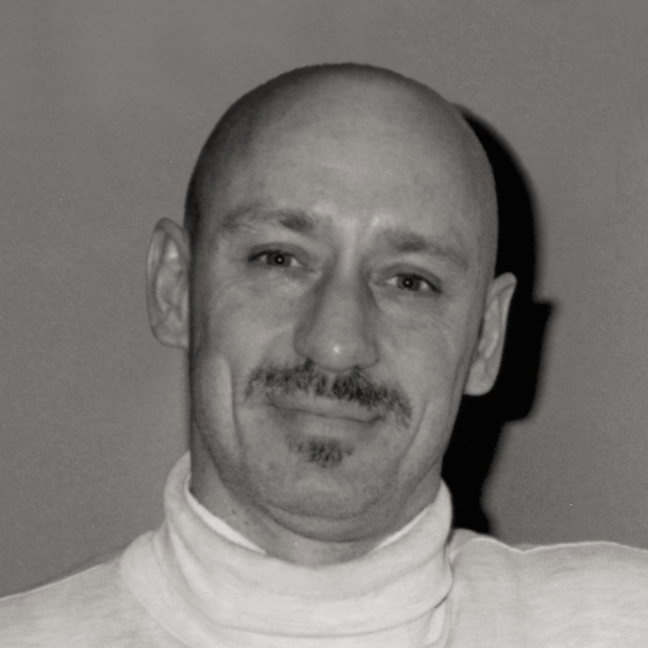
Phil Rhoades
Facility Manager
Phil has been pursuing various non-profit projects in the fields of cryonics and life extension for 25 years, and currently heads both the Cryonics Association of Australasia (CAA) and the Neural Archives Foundation (NAF) as a Founder and Executive Director. He is also a Director of our sister company, CryoPath. He has a degree in Science (Zoology and Genetics) and began his working life in biomedical research for many years with The Red Cross Blood Transfusion Service and hospital pathology labs. This was followed by 35 years’ experience working as a software developer and IT network consultant to multiple small businesses.